Senology plays a fundamental role in the prevention, diagnosis, and treatment of breast pathologies. From breast cancer prevention to periodic check-ups, and from early diagnosis to personalized therapeutic pathways, understanding the tools available today means taking care of one’s health more consciously.
We discuss this with Prof. Daniela Andreina Terribile, a breast surgeon at Villa Stuart, through an in-depth look at senology, new diagnostic and therapeutic possibilities, and the importance of a care pathway built around the patient.
Senology and the Role of the Breast Surgeon
Professor, let’s start with the basics: what is senology and what does a breast surgeon do?
Senology is the branch of medicine that deals with everything related to the prevention, diagnosis, treatment, and subsequent monitoring of breast diseases in both women and, more rarely, men. Therefore, senology does not only refer to the management of benign or malignant breast tumors but also to inflammation, infections, mastalgia, and other breast alterations or anomalies.
A breast surgeon is not simply a doctor specialized in breast surgery; they are a specialist in breast diseases who has in-depth knowledge of various breast conditions and the ability to interpret and evaluate, together with radiologists and pathologists, diagnostic tests of nodules and breast alterations to establish the correct therapeutic approach.
They obviously possess specific training in breast surgery, which has now become an entirely independent discipline, although it initially derived from general and oncological surgery—the era of “generalist” surgeons has now passed—which requires knowledge and training in plastic surgery, or close collaboration with reconstructive plastic surgeons, to define the most appropriate techniques to optimize the outcome not only from an oncological perspective but also from an aesthetic one.
The surgeon specialized in senology, therefore, is not just the person who intervenes to remove a part of the breast, but is the professional to whom a woman with a breast problem most frequently turns and who must know how to interact with the other professionals involved in the senological pathway to finalize the most appropriate diagnostic and therapeutic choice depending on the case.
Finally, the breast surgeon does not only deal with the management of tumors but also with the management, therapy, and monitoring of benign breast pathologies, as well as being able to provide, if trained to do so, indications on prevention procedures and relative management not only in the general population but also in those at high risk of hereditary-familial cancer.
Tell us about your professional journey and what led you to specialize in senology
Since I was a child, I always thought about becoming a doctor. I decided to become a surgeon in my 3rd year of medical school when I began attending the wards of the Surgery departments and immediately had the impression that this was the discipline that could most easily provide a rapid and concrete response to many pathologies.
After training and specializing in general surgery, I decided many years ago, when this branch was still in its infancy, to dedicate myself solely to breast surgery and senology. I had realized, by starting to follow patients with breast cancer, that treating and dealing with breast cancer did not simply consist of knowing the best surgical technique to remove the disease, but also in the study and continuous, constant updating of everything surrounding it: radiology, pathology, oncology, and not least psychology, communication, and evaluating the best way to empathize with patients facing this problem.
All this could not be done, and even more so cannot be done today, if one does not dedicate oneself solely to this delicate and complex yet fascinating field.
Obviously, this involved a series of training internships in Italy and abroad, for example at the Paoli Calmettes Cancer Institute in Marseille, at Georgetown University in Washington, at Thomas Jefferson University in Philadelphia, and finally at the Memorial Sloan Cancer Center in New York.
The comparison with other experiences in the field of senology then continued throughout my work at the Gemelli UCSC Polyclinic, through participation in national and international working groups, Boards of Directors of the main Scientific Societies, and work activities and experiences abroad such as the direction of the Senology Unit of the University Cantonal Hospital of Geneva.
Alongside this, I have always considered it fundamental to collaborate concretely in the activities of associations that deal with breast cancer awareness and prevention, primarily Komen Italia Europa Donna.
Senology and Breast Cancer Prevention
In senology, prevention is often defined as the most effective weapon against breast cancer, but many women associate a breast exam only with the presence of a lump. In reality, when is it appropriate to see a specialist? How important is it to undergo regular check-ups?
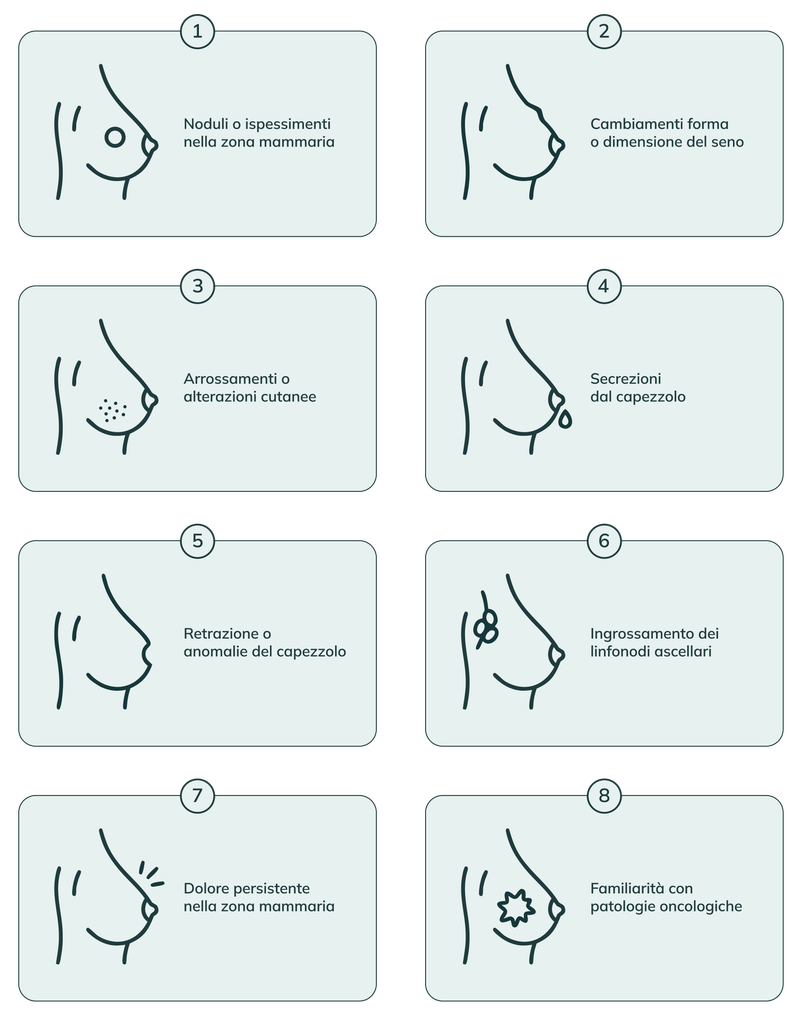
It is very important, indeed I would say fundamental, to undergo regular and periodic check-ups based on age, breast constitution, and family history, and to consult a breast specialist not only in the presence of a lump or other suspicious changes, such as: dimpling of the skin in the breast region, nipple retraction, bloody discharge from the nipple, or inflammation of the breast with hardening and redness of the area (mastitis). These signs must never be neglected and always deserve specialist evaluation.
Regularly performing the recommended tests and/or participating in mammographic screening programs organized by local health authorities (ASL) allows one, on the one hand, to always have the chronology of the radiological picture and the evolution of any chronically present and non-suspicious alterations available, and on the other, to discover any cancerous lesions at a very early stage. This allows for excellent chances of performing more limited, less extensive interventions, often undergoing less aggressive therapies, and with a very high survival rate of over 95% at 5 years.
What are the fundamental tests for monitoring breast health in different age groups, and what tools do we have available today to identify potential problems early?
In individuals not at high hereditary-familial risk, starting from age 30, an annual ultrasound is recommended, and starting from age 40, a mammogram should be added.
It is also recommended to participate in mammographic screening programs according to age groups and continue check-ups without an age limit but in relation to clinical conditions. Moreover, depending on the risk level of the individual, it is possible to modulate the type of tests and their frequency and add, for example, if necessary, further investigations with contrast media tests. Today, we are moving toward increasingly personalized control and prevention schemes based on risk factors.
Is age really the main risk factor, or should young women also pay attention to breast health?
Regarding age, there is much confusion, especially for the extremes of life; for example, it is thought that after “a certain age,” such as over 75, prevention through clinical exams and mammography is no longer necessary, whereas, also in relation to the increase in average life expectancy, it is necessary, if general conditions are good, to provide for check-ups without an age limit. Indeed, it is increasingly common to see women in their eighties, in excellent condition, with cancer, for whom a timely diagnosis and adequate treatment are relevant for their remaining quality of life.
Regarding younger groups, it is important to start having knowledge and awareness of one’s breast constitution, from age 30 with breast self-examination and ultrasound, and continuing from age 40 by also adding a mammogram.
Senological Pathway and Personalized Care
One of the most important aspects of modern senology is the multidisciplinary approach. How do the different specialists collaborate in the senological pathway?
Senology was perhaps the first branch ever in which the multidisciplinary approach was conceived and developed as an essential element of the breast pathology management process.
A shared evaluation among the various specialists who make up the team—whose core group consists of a radiologist, surgeon, and pathologist, and is expanded in cancer cases to include other professionals dedicated to senology such as an oncologist, radiotherapist, psycho-oncologist, geneticist, plastic surgeon, and sometimes even a gynecologist (for fertility preservation) and oncological geriatrician—has become of fundamental importance and constitutes, today, the norm that allows for an appropriate choice for every case.
The construction of a true senological pathway that provides for the complete care of the patient, not only at the time of diagnosis and treatment but also afterward, is considered a guarantee of quality in the approach to breast pathology. Indeed, consideration of intervening in what happens in relation to oncological care is also gaining increasing importance.
The evaluation of the impact on the person of the side effects of therapies—which are increasingly effective today but not without undesirable effects—can and must involve other professional figures dedicated to psychological and physical rehabilitation, nutrition, bone health and the prevention of osteoporosis, the rehabilitation of relational aspects and sexuality, and the significant symptoms related to early and drug-induced menopause.
There is more and more talk about personalized care pathways: how is the care pathway built once a diagnosis is made, and how important is it to adapt the treatment based on the characteristics of the individual patient?
The discussion and sharing of different diagnostic and therapeutic solutions depending on the clinical situation of the patient (age, menopausal status, for example) but also the bio-pathological parameters of the tumor, represents today an essential element of treatment quality.
It is necessary to adapt therapies based on the increasingly numerous parameters that must be taken into consideration for each individual patient. The era when only a handful of elements were considered and therapy was rather standardized on limited therapeutic schemes has passed. Today, in most cases, we can count on personalized treatments, that is, aimed at using innovative interventions and therapies modulated based on both the patient’s characteristics and bio-molecular and sometimes genomic tests of the tumor.
These new therapeutic approaches are then codified by the most up-to-date guidelines and recommendations, that is, by the scientific evidence of data from national and international studies. We are therefore talking about precision medicine in continuous evolution.
Innovations in Diagnosis and Breast Surgery
In recent years, senology has made enormous strides. What are the most significant innovations that have changed the way breast cancer is prevented and treated?
In the field of senology and diagnostics, radiologists can now count on increasingly refined and high-performing methods such as 3D tomosynthesis mammography and CEM, or contrast-enhanced mammography, which has been added to contrast-enhanced breast MRI.
These tests allow for increasingly early diagnoses with an increase in the number of diagnoses made of lesions of just a few millimeters, which are non-palpable and decidedly treatable in an optimal and less invasive way. Furthermore, biopsy techniques have been increasingly perfected, allowing for a larger amount of tissue to be obtained for more accurate diagnoses, and even for performing true mini-invasive excisions, eliminating the need for surgery, for example in cases of lesions defined as B3, or of uncertain malignant potential.
Today, however, we can finally talk not only about secondary prevention—that aimed at the early diagnosis of breast cancer, as well as other cancers for which regional and national screening programs are dedicated to certain age groups (such as colorectal and uterine cervix)—but also about the results of primary prevention.
Primary prevention consists of adopting methods that prevent the onset of tumors. In this regard, data are now available demonstrating effectiveness in reducing the incidence of breast cancer by up to 30% through appropriate lifestyles. In particular, the most significant data relate to constant and daily physical activity. This is very interesting because it can be achieved with few economic resources and can generate benefits also from a cardiological, bone metabolism, and glycemic profile. Furthermore, as a piece of efficacy data, it should be considered that this value is almost higher than that obtainable in the prevention of recurrence with endocrine therapy.
Very important progress has been achieved in recent years in terms of innovative pharmacological therapies equipped with completely different mechanisms of action compared to the past and with excellent clinical results.
Today we speak of personalized approaches with the use of specific types of therapies and specific administration timings (for example, therapy schemes can be implemented before surgery, achieving a clear reduction or even the clinical disappearance of the tumor). The therapeutic choice is now also guided by parameters on a bio-molecular, genomic, and genetic basis, which are the subject of continuous clinical and translational research.
Through these innovative therapies, strides and significant progress have also been made in the field of metastatic cancer, achieving a clear prolongation of survival and, above all, quality of life, with a sort of chronicization of the disease.
From the perspective of surgical senology, how have techniques changed in recent years? Is it possible today to combine oncological efficacy with attention to the aesthetic result?
Certainly, surgery for breast cancer has been the one that has undergone the most transformations in recent years: we speak of “breast surgery de-escalation,” or the reduction of breast surgery. To date, breast surgery is increasingly precise and oriented toward limiting the removal of breast tissue, and this is also possible in relation to earlier diagnoses and the finding of increasingly small lesions, often non-palpable but visible only with radiological tests. The use of pre-operative therapies with a reduction in tumor mass also contributes to making a higher percentage of “conservative” interventions possible where once destructive treatments such as mastectomies would have been used.
Today, conservative interventions—that is, interventions that preserve most of the breast—represent about 80% of treated cancers. Furthermore, techniques aimed at safeguarding the aesthetic outcome while fully respecting oncological criteria have been developed. This is known as “oncoplastic surgery,” in which plastic surgery techniques have been incorporated into oncological breast surgery to combine, precisely, oncological efficacy with the aesthetic result.
Furthermore, where it is still essential to perform a complete removal of the breast tissue, i.e., a mastectomy, immediate reconstruction can be used in most cases, mostly with increasingly high-performing and safe implants.
A further improvement, always respecting oncological safety, are “conservative mastectomies”; that is, when oncologically indicated, the entire skin envelope including the nipple and areola can be spared and reconstruction can proceed: these are therefore increasingly rapid, anatomical reconstructions that are closer to the appearance of the non-operated breast.
Also at the axillary level, clinical study results have highlighted the possibility, in most cases, of avoiding a complete axillary clearance as occurred in the past, replacing it with the biopsy and removal of the first lymph node(s) draining the lymph from the breast region, performing what is called a “sentinel lymph node biopsy.” This approach has allowed for a reduction in the frequency of one of the consequences of complete lymph node removal: upper limb lymphedema, commonly referred to as “heavy arm.”
Parallel to this, radiotherapy techniques have also evolved in terms of machinery and treatment delivery methods, which are also increasingly respectful of organs, with duration schemes that are significantly reduced compared to the recent past.
Information, Prevention, and Patient Support
There are still many fears and false myths about breast cancer. Which ones do you encounter most frequently among your patients that would be important to debunk?
In fact, there are still many fears and false myths surrounding breast cancer. They often stem from inadequate information from social media or unqualified websites, etc. I can report some absolutely incorrect statements that recur frequently:
“I had a mammogram a few years ago and everything was normal, so now that I’m in menopause, I don’t need to have check-ups anymore”
“I had my uterus removed at 40, so I’m more protected; therefore, in the absence of symptoms, I don’t need to have tests”
“I’m 60 years old, my gynecologist always checks me, including with ultrasound, so I don’t need further investigations”
“Mammography is too painful and dangerous because it uses X-rays, so I prefer to only have an ultrasound”
“I don’t have cases of breast cancer in my family, so I don’t think I’m at risk; rather, it’s the very frequent mammograms that can cause cancer because they use X-rays”
“I’ve been asked for further investigation with a percutaneous ultrasound-guided biopsy, but I’m afraid that the passage of the biopsy needle might cause any cancer cells to spread locally and throughout the body”
“I don’t want to know if I have cancer because I’m afraid of losing my breast or having to undergo chemotherapy, which would mean losing my hair, swelling up, losing my femininity, and risking my relationship with my partner”
“I’ve had colleagues or friends who were treated but despite everything didn’t make it, so I have little faith in therapies”
“I’m very demoralized and I think prevention is useless; I’ll tell my friends not to waste time since I’ve been having check-ups for over 20 years but I still got cancer”
Obviously, it is necessary to debunk these erroneous beliefs through appropriate information, awareness, and prevention campaigns and through all the media methods that exist today. It is also useful for this purpose to be able to consult and provide links to qualified sites, generally those of Scientific Societies or accredited Associations, which offer detailed and updated information on diagnostic and therapeutic procedures and ongoing progress.
Is there a story or professional experience that made you understand the value of your work even more? (While fully respecting patient privacy)
First of all, I would like to emphasize that every day, everything that comes from patients is something impalpable and at the same time very concrete that fills the heart and gives meaning to the time spent. As for my experience, there are many cases that have contributed to making me understand the value of my work, and it is difficult to pick just one.
I remember with emotion a 26-year-old patient who, about 6-7 years after her diagnosis, came into my office for a check-up. She was pushing a stroller with her child born after the completion of her therapies. The joy I saw in her eyes and in those of her family is indelibly marked in my memory.
This story is also an excellent starting point to remember that pregnancy after breast cancer, for a long time considered a taboo, is today a viable path at the end of therapies, and sometimes even during them, without worsening the prognosis.
What message would you like to leave for women who postpone a visit or check-up due to fear or lack of time?
In general, the tendency of women is often to put the protection and care of their own health in second place because they prioritize the needs of the family, young children, elderly parents, or even work needs/performance.
Often, in fact, a woman, in addition to her own work activity, takes care of her family or multiple families, playing an essential role in society until an age well beyond retirement. For this reason too, periodic prevention check-ups are often postponed or excuses are found not to perform them, sometimes even in the presence of symptoms. The same can happen due to the fear of finding “something bad” that could alter daily life, vacations, or even change body image and social and work relationships.
In reality, one must never tire of emphasizing that maintaining the correct rhythm of periodic check-ups, possibly in the same place to avoid alterations or differences related to different execution techniques or equipment, is essential for good and effective secondary prevention.
Undergoing regular check-ups does not mean that one will not develop cancerous pathologies, but that identifying them in early stages generally makes them more treatable. Not undergoing all this can also become a cause for regret in the event of a subsequent finding of pathology in more advanced stages. The advice is therefore to respect the scheduled deadlines for the check-ups recommended by the specialist and perhaps schedule them together with a family member or friend so that you can help each other in keeping the scheduled dates.
In senology, in addition to the clinical aspect, how much do human support and the ability to listen matter during the care pathway?
The study of communication in the doctor-patient relationship is rarely or has rarely been part of the institutional course of study and training for doctors, let alone for breast surgeons/breast radiologists: the first figures a woman with breast pathology comes into contact with. This sometimes results in a less than optimal impact on the patient and family members at the time of communicating the diagnosis and the planned treatment.
The choice of terms and the manner of language and behavior at the time of communicating the diagnosis and the treatment proposal are essential and, if not appropriate, can create an emotional block in the patient that is extremely difficult to overcome during the rest of the pathway. Often, flexibility is also needed on both sides to find a way to reconcile investigations and therapeutic solutions with work or family aspects.
A level of professionalism and technical-scientific competence, however high, cannot do without these communicative and relational aspects. Therefore, empathy, listening skills, and human support play a fundamental role from the beginning, in synergy with the ability to show the right determination in offering appropriate diagnostic-therapeutic options. For this reason, the routine presence of psycho-oncological support is particularly important, as it can analyze the characteristics and needs of the patient and allow for better adherence to and sharing of the planned pathway.
To conclude, what commitment do you make every day in the field of senology toward the patients who entrust themselves to you and the clinic team?
Personal professional commitment, as well as that of the Villa Stuart team, is obviously always in first place ethically, but not only professional in the strict sense but also from a broader perspective since what is close to all our hearts is a global taking care of the woman who turns to us, whether it is a woman undergoing regular check-ups for correct prevention or a patient with a suspected or confirmed neoplasm, who has a particular need to be welcomed with humanity and competence, finding herself in conditions of fragility and moral vulnerability.
Global care with the availability of the professionals involved in the various diagnostic-therapeutic phases with the construction of a dedicated pathway also represents a constant commitment on a personal level, by the team, and by the facility.
The Senology Prevention and Care Center at Villa Stuart
Today, senology is a pathway that integrates prevention, early diagnosis, multidisciplinary skills, and increasingly personalized treatments. As emerges from the words of Prof. Daniela Andreina Terribile, regular check-ups and correct information represent fundamental elements for approaching breast health with greater awareness.
At Villa Stuart, the senology prevention and care center places the care of the person at the center, through consultation between specialists and an approach built on the needs of the individual patient.